
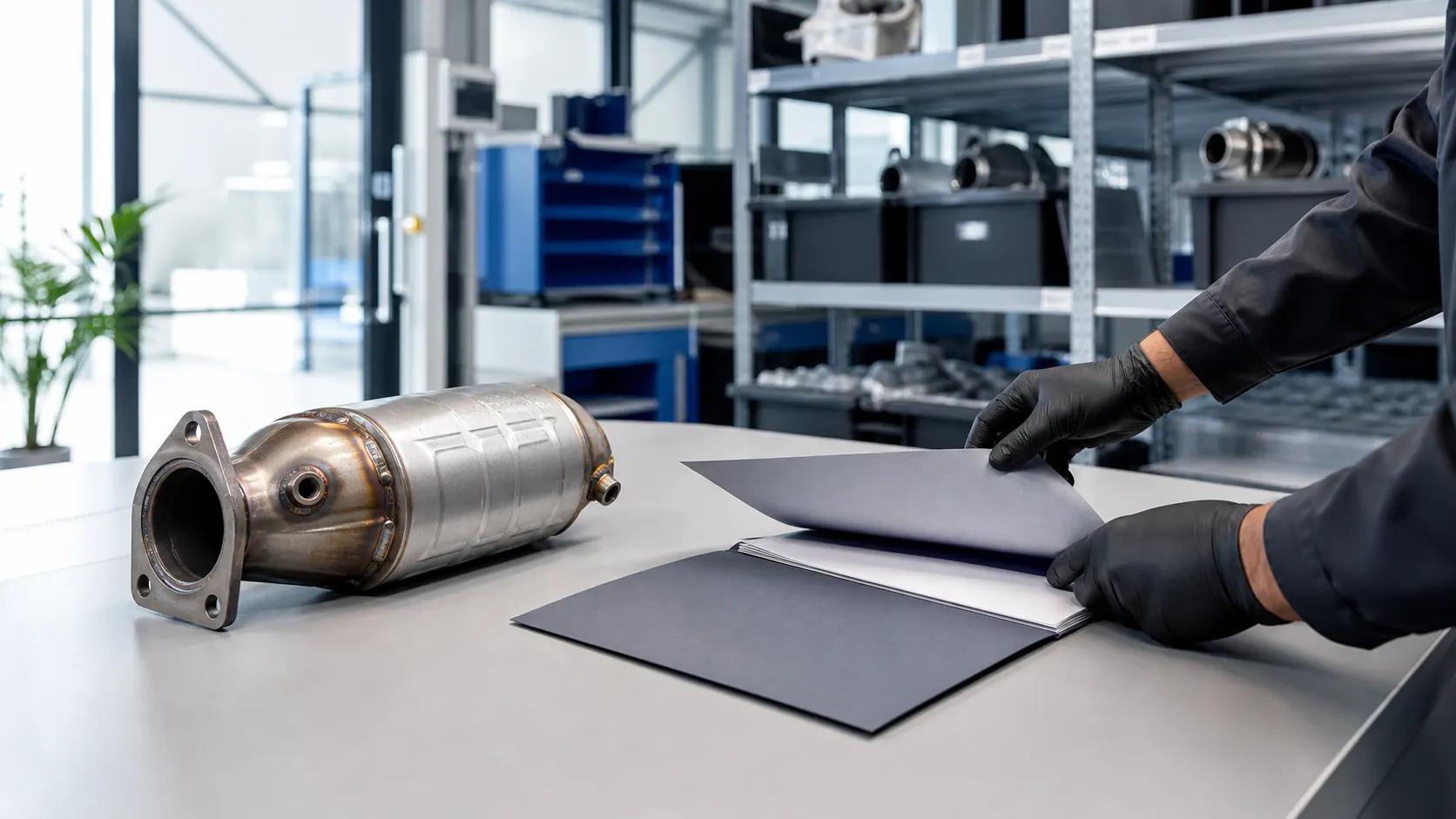
For U.S. aftermarket emissions parts compliance, EPA recognition of the SEMA Certified-Emissions program gives buyers and distributors a clearer documentation checkpoint. It does not remove the need to verify the actual product. It makes the paperwork behind that verification more important.
On July 1, 2026, the U.S. Environmental Protection Agency stated that a SEMA Certified-Emissions certificate can provide a documented reasonable basis under its Tampering Policy. EPA later highlighted the action on July 8. SEMA says the pathway can support federal compliance for sales in 49 states, while California remains outside that scope.
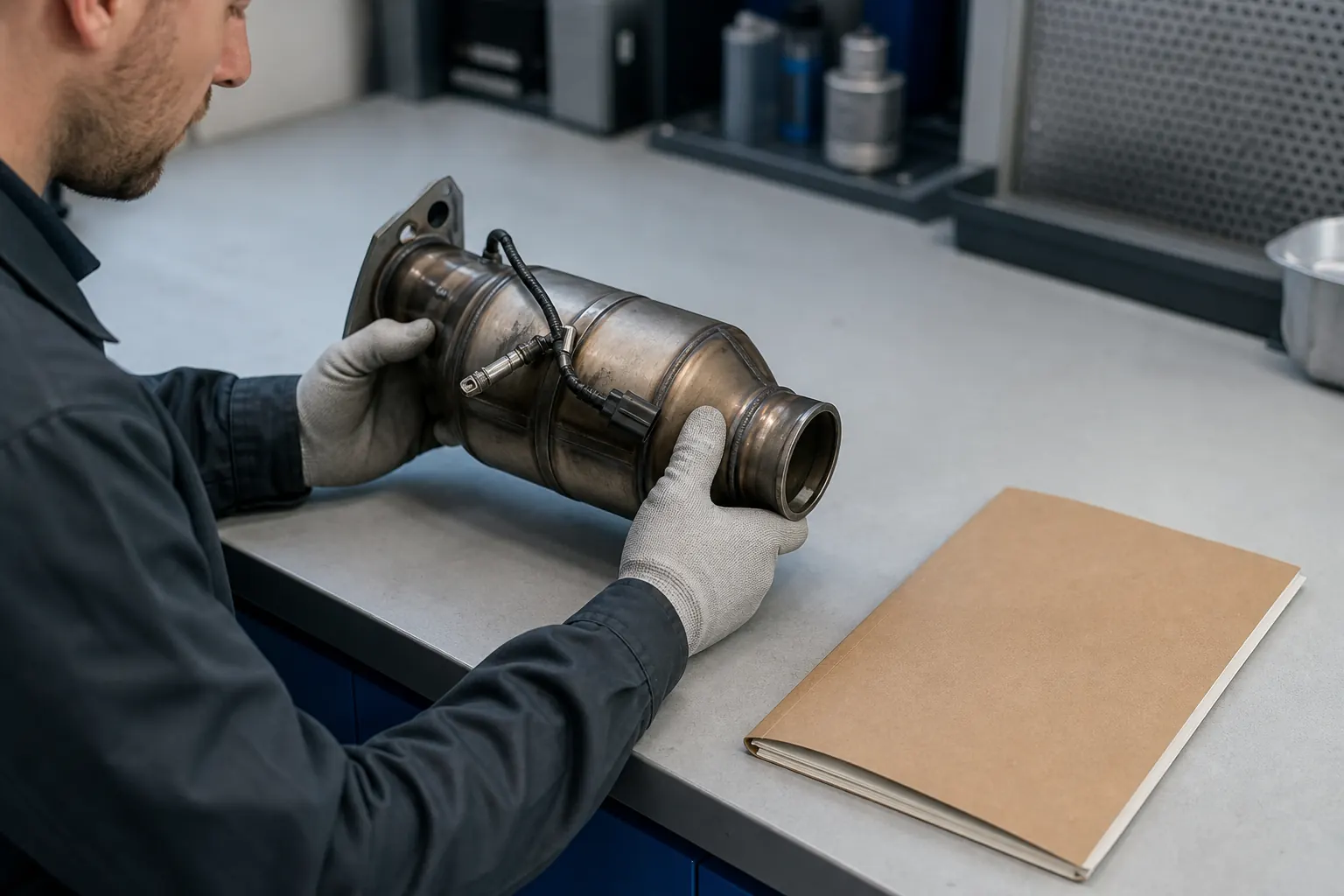
U.S. aftermarket emissions parts compliance: what changed
For companies handling emissions-related aftermarket products, the announcement is about documentation and route-to-market clarity. SEMA Certified-Emissions is presented as a process that can support a documented reasonable basis that a part does not adversely affect emissions. That matters to manufacturers and distributors that need to show why a product can be offered for a particular U.S. market.
It is not a shortcut around product-level checks. The public announcements do not assign approval to a generic category of parts, and they do not turn a certificate into a fitment record, an OE reference or a blanket sales claim. California requirements also remain separate.
What buyers should capture before quoting
Keep the request specific. A buyer should first identify the exact manufacturer and part number, then ask which vehicle system the product is intended to serve and which sales region the quotation covers. Where emissions compliance is part of the request, ask the supplier for the relevant certification or supporting documentation tied to that product.
- Manufacturer and exact product identifier
- Product function and intended application
- Target U.S. sales region, including whether California is in scope
- Supplier compliance document or certificate reference
- Any vehicle, engine or calibration limits stated by the supplier
A platform name is not enough for a quotation. Ask for the old part marking and the supplier catalog record when the buyer is replacing an existing component.
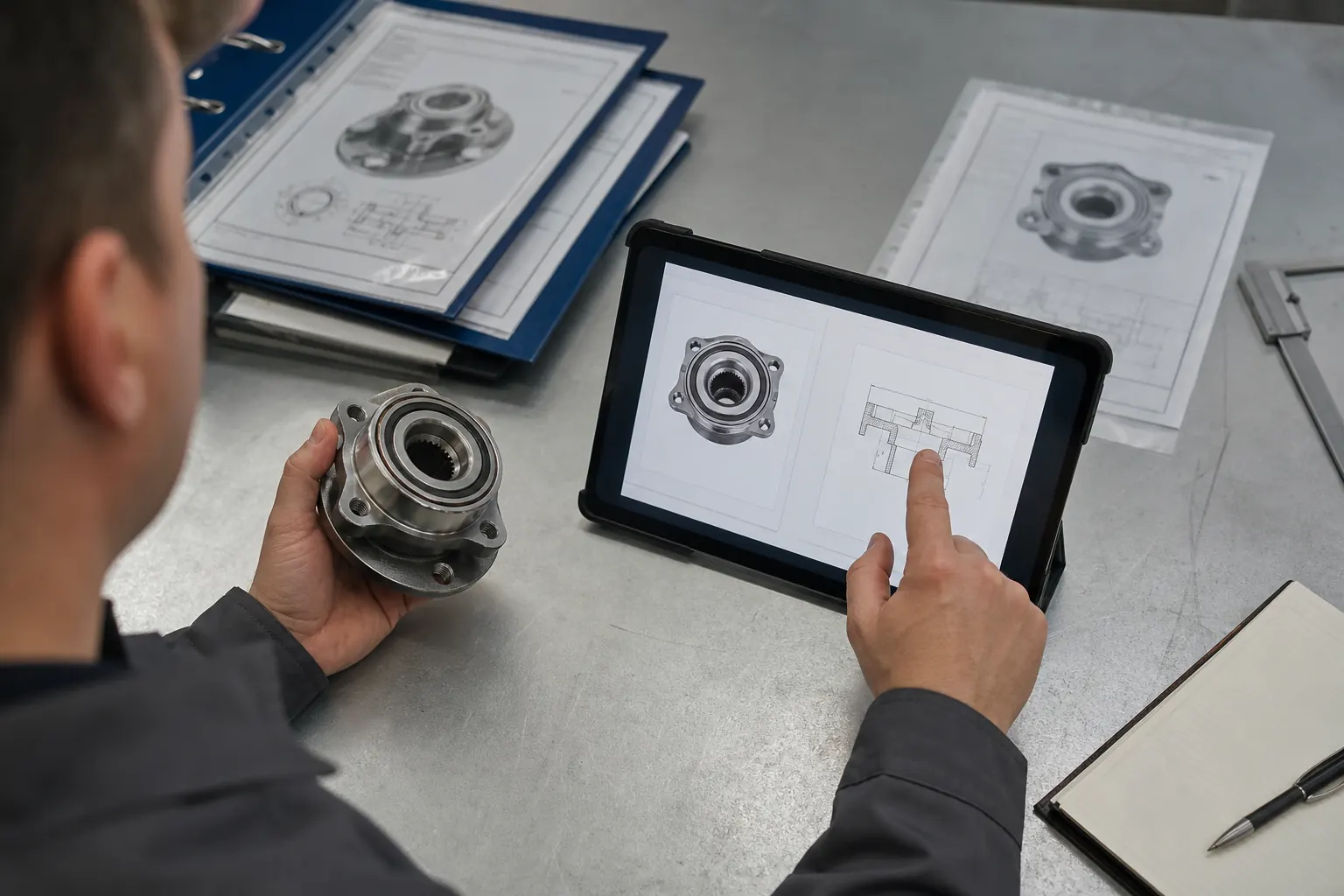
Why emissions parts RFQ documentation matters
Emissions-related parts often carry a heavier documentation burden than ordinary service items. A listing can be technically descriptive and still be incomplete for a transaction if the seller cannot identify the product, its compliance support and the market where it will be sold.
For distributors, this creates a useful RFQ discipline: keep product identity, sales region and compliance evidence together. Do not let a broad phrase such as “EPA compliant” stand in for the supplier document or the product-level conditions behind it. That reduces avoidable back-and-forth before an order is placed.
Sourcing notes
Use the EPA and SEMA statements for U.S. compliance planning only. Confirm the current supplier documentation and any applicable state requirements before quoting, listing or ordering an emissions-related product.
NodeMotive takeaway
For a U.S. emissions-parts inquiry, capture the part number, sales region and compliance document at the same time. It is a small step that keeps the RFQ usable.