
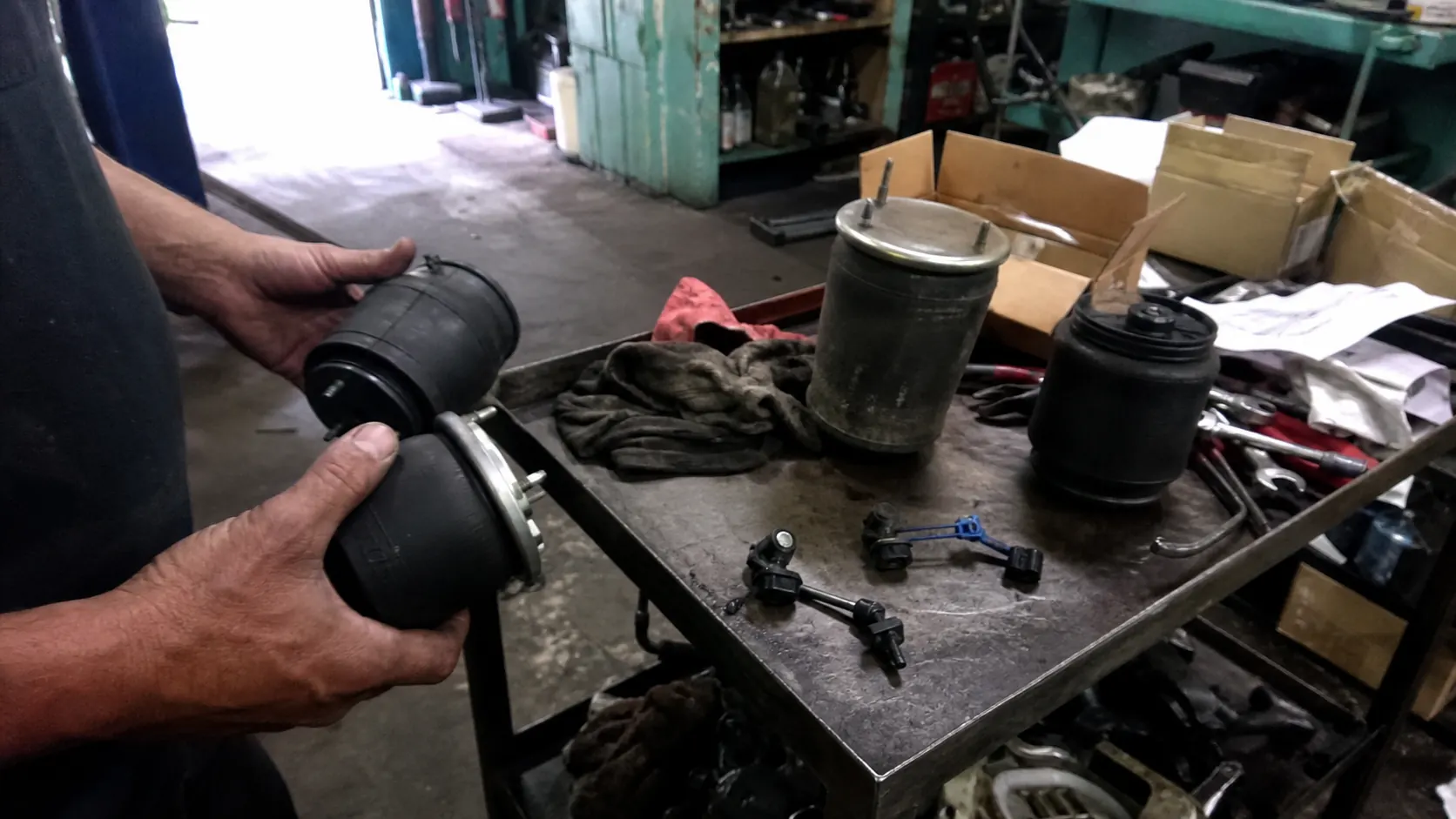
Arnott's latest suspension release adds two rear air springs and 26 ride height sensors for selected luxury cars, SUVs and electric vehicles. The applications span Porsche, Tesla, Audi, Volkswagen, Bentley, Land Rover, Maserati, Ford, Lincoln, Ram, Dodge and Jeep.
The coverage is specific enough to open a sourcing conversation. It is not permission to quote from a model name alone. Air-suspension requests often split by production year, chassis code, axle and left or right position. Keep those fields visible.
Aftermarket air suspension parts require position-level fitment
The two new air springs are A-4323 for the rear left and A-4324 for the rear right of the 2017–2023 Porsche Panamera 971 AWD. The supplier lists them as separate references. A request for a “Panamera rear air spring” therefore leaves out a field that directly changes the quoted part.
Ask for the full vehicle record before checking price: model year, chassis code, drivetrain where relevant and installation side. Capture the old part marking or a clear photograph when the buyer has already removed the unit. The photograph can support the catalog lookup, but it should not replace it.
Do not assume that two visually similar bellows are interchangeable. Mounting interfaces, air connections and the supplier's validated application record still need to agree. The public release does not provide OE cross-references, dimensions or interchange claims, so those details must come from the supplier catalog used for the quotation.
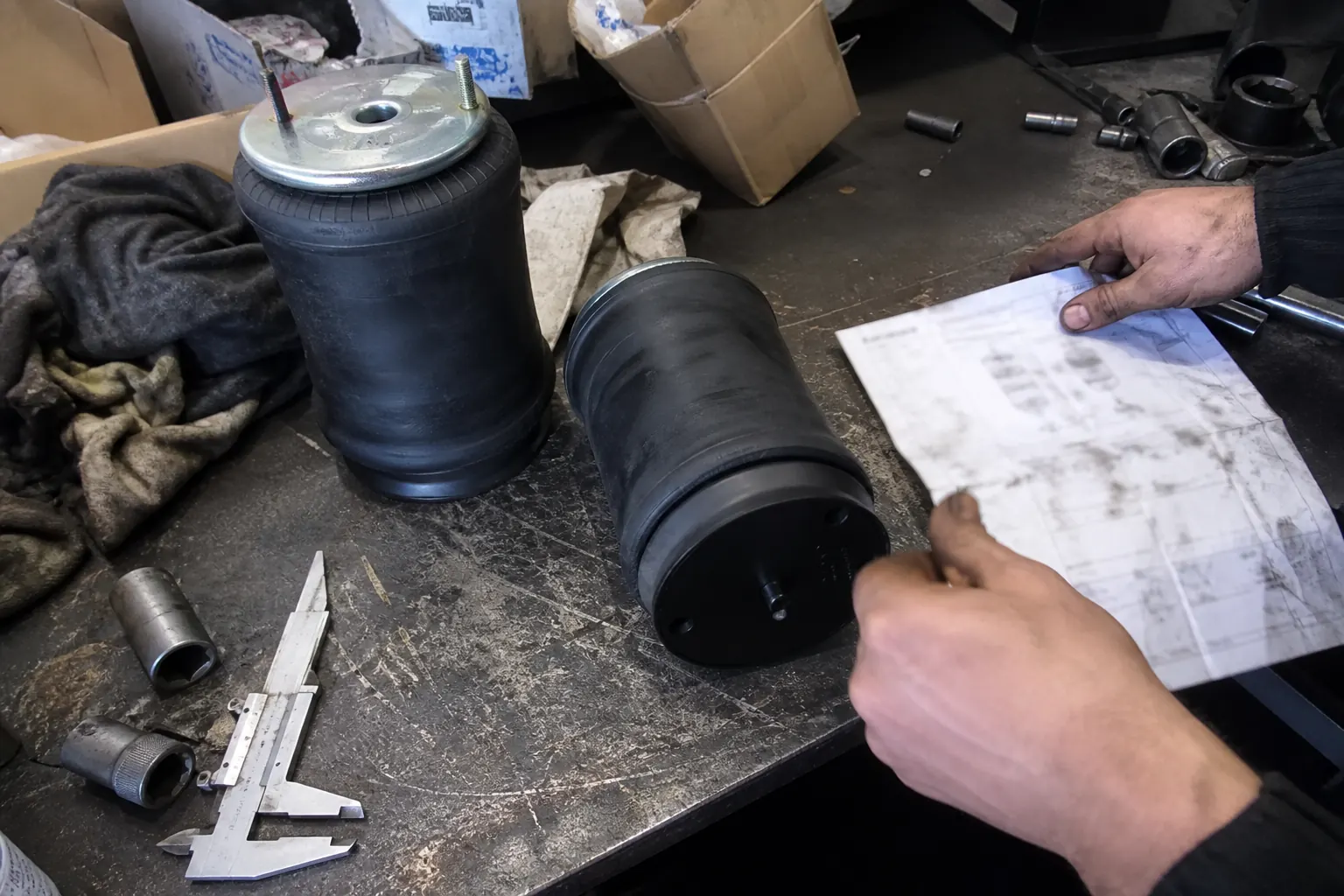
Ride height sensor coverage now reaches more EV platforms
The release includes rear ride height sensors RH-5651 and RH-5652 for the 2016–2021 Tesla Model S and 2015–2021 Tesla Model X. RH-5793 is listed for the front left of the 2021-on Audi Q4 e-tron and Volkswagen ID.4. Four references, RH-5799 through RH-5802, cover specified positions on the 2021-on Ford Mustang Mach-E GT, with the source noting Performance Package limits for some positions.
That last qualifier matters. “Mustang Mach-E sensor” is too short for quoting. The RFQ should state the exact variant, position and package information available from the vehicle record. If the package cannot be confirmed, return the question to the buyer instead of selecting the closest-looking reference.
Electric powertrain does not make a height sensor universal. The sensor still belongs to a defined suspension architecture and mounting position. Treat EV as one application field, not as the part category.
Luxury applications create several near-match risks
The same release lists multiple Bentley sensors across Continental GT, Continental Supersports and Flying Spur applications, with year ranges and positions that differ. It also lists separate front and rear references for the Maserati Levante and left/right rear references for the Range Rover Velar.
These groups are useful examples of a common catalog problem: the buyer recognizes the vehicle family, while the supplier needs the exact application row. Similar model names can cover different generations, suspension layouts and connector arrangements.
For a luxury-vehicle ride height sensor supplier request, collect:
- Vehicle make, model and full model year
- Chassis or platform code when available
- Front or rear axle
- Left or right side
- Trim, drivetrain or package qualifier required by the catalog
- Old sensor marking and connector photographs
- Requested quantity and delivery destination
A side designation should be read from the vehicle's direction of travel, not from the viewpoint of someone standing in front of it. If the buyer and supplier use different conventions, write the position out in full.
Separate the failed component from the reported symptom
An uneven vehicle can lead a requester to ask for an air spring, a ride height sensor or another suspension component. The symptom does not identify the failed part by itself. A sourcing team should quote the requested, verified reference rather than diagnose the vehicle from a short message.
Ask whether a workshop has identified an air leak, a damaged sensor, a linkage problem or a stored suspension fault. Record the answer as buyer-provided information. If diagnosis is incomplete, keep the quotation conditional on part-number or application confirmation.
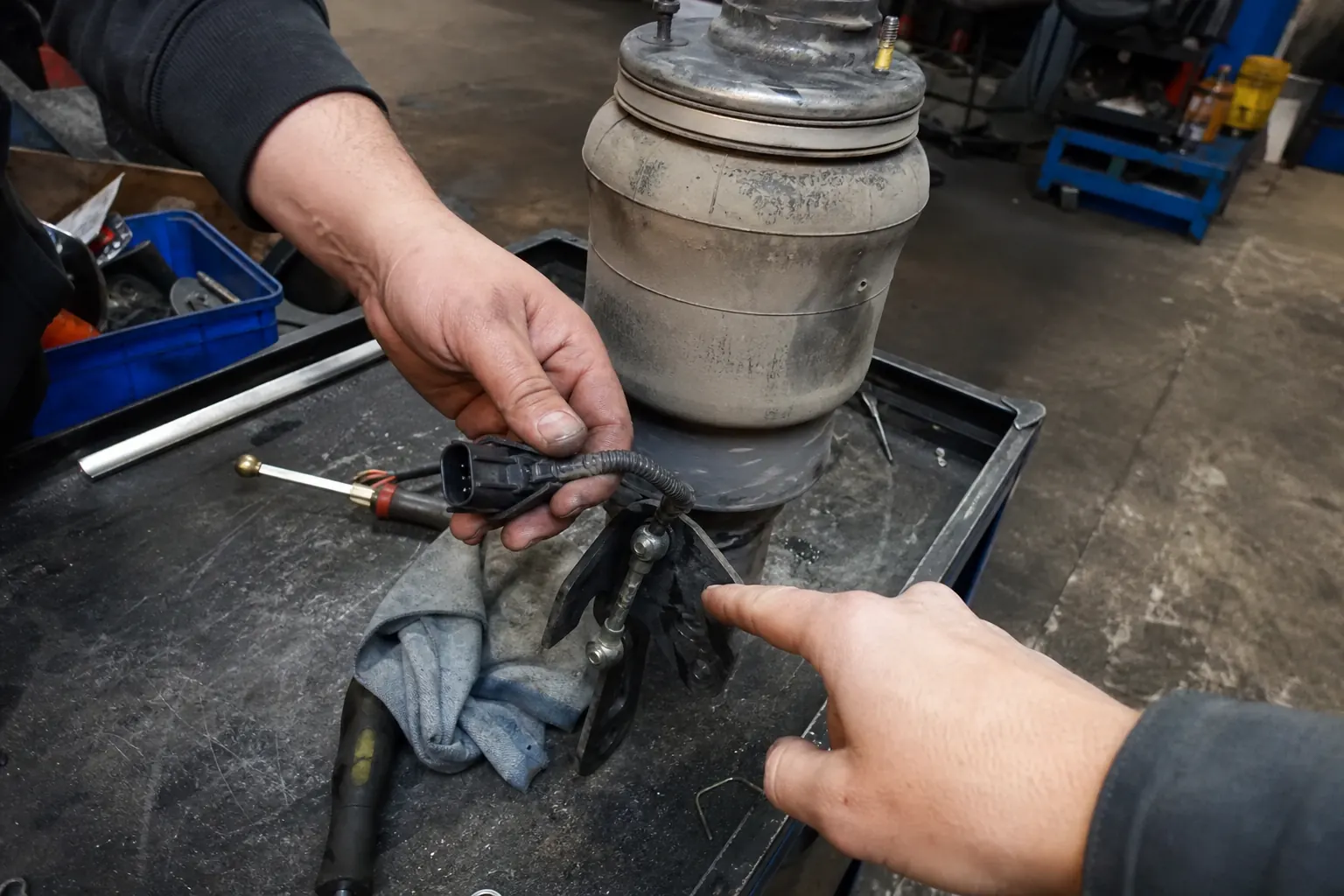
This distinction also prevents an RFQ from mixing different product families. An air spring supports the vehicle through compressed air. A ride height sensor reports suspension position to the control system. They may work in the same suspension, but they are not substitutes.
Use the release for range planning, not automatic interchange
The product list can help distributors find gaps in luxury, SUV and EV suspension coverage. It also shows where position-specific sensor demand is becoming more visible. Yet a supplier announcement is a dated coverage record. It does not confirm present inventory, commercial terms or compatibility with an unlisted vehicle.
Before adding a reference to a stocking program, compare the supplier application data with local vehicle population, sales history and return records. For a first order, ask for packaging information, warranty handling and the technical documents supplied with the part. Keep those commercial fields separate from fitment.
NodeMotive takeaway
For aftermarket air suspension parts, send the supplier the vehicle year, chassis code, axle, side, original marking and quantity in one RFQ. A complete application record is faster than resolving a left/right or package mismatch after delivery.