Step 01
Send the Parts List
Send what you already have: OE numbers, part numbers, your own references, photos, samples or vehicle information. No cleanup is needed first.

B2B Auto Parts Sourcing
NodeMotive works with professional buyers who purchase auto parts across several categories at the same time. Send us OE numbers, part numbers or a complete parts list, and we organize the lines, coordinate sourcing across multiple supplier sources, and keep the order in one workflow. You are not limited to one category or one supplier relationship. Quality decisions, consolidation, packaging and freight remain within the same coordinated workflow.
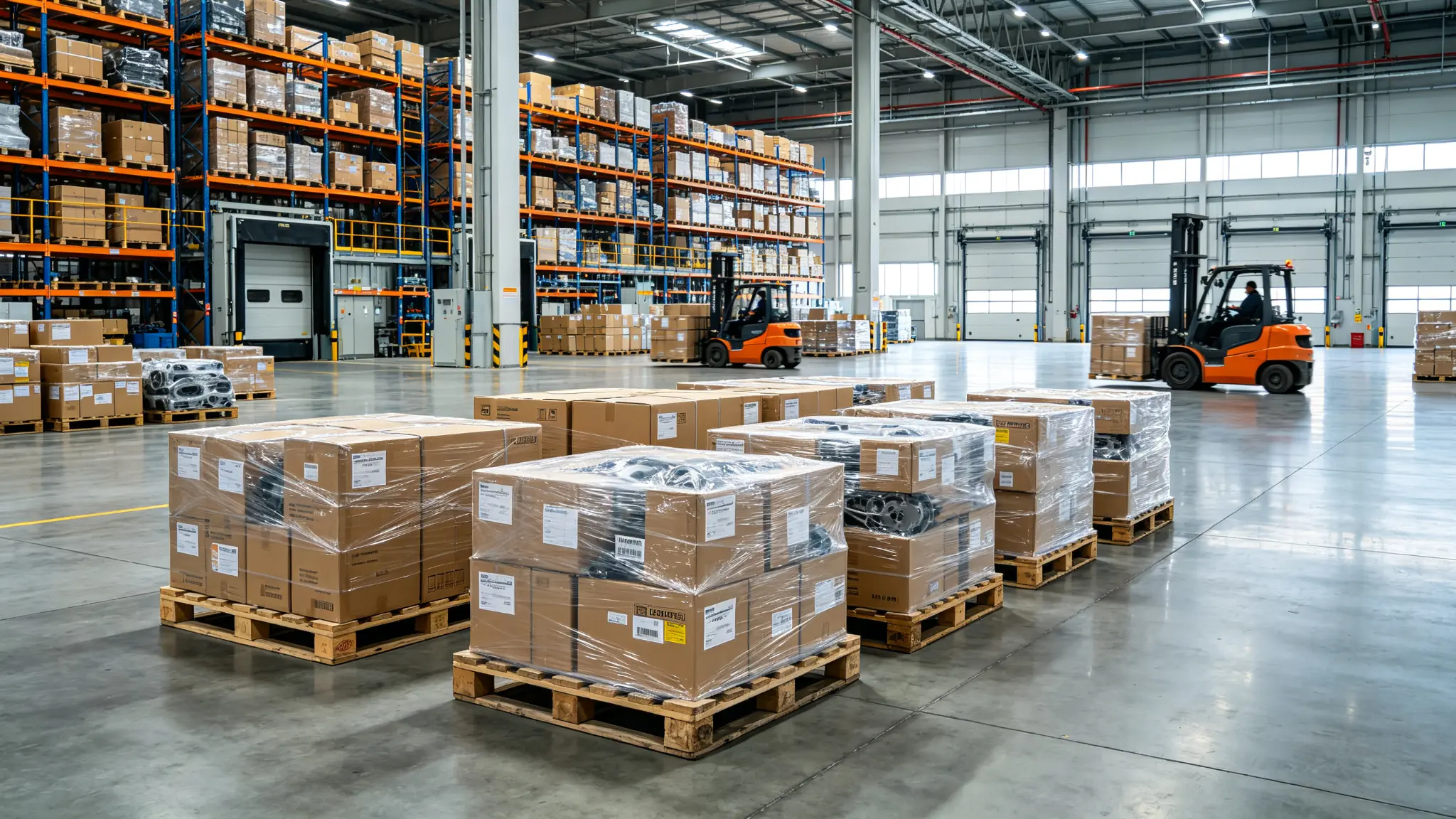
Professional purchasing rarely means buying one part. A working list may cross braking, cooling, suspension, electrical and body categories, and those lines rarely come from one place. Each line can involve a different supplier, quality level, minimum order quantity, lead time and packaging requirement.
Handled separately, that means repeated inquiries, duplicated follow-up, several quotations to reconcile, several shipments to track and several after-sales conversations. That work multiplies with the number of categories, and none of it adds value for your customers.
NodeMotive brings those separate sourcing tasks into one coordinated purchasing workflow, so the list moves as one order instead of several unrelated transactions — one place for requirements, one set of commercial decisions and one consolidation plan.
Step 01
Send what you already have: OE numbers, part numbers, your own references, photos, samples or vehicle information. No cleanup is needed first.
Step 02
We review the list, establish what each line requires, organize lines by category and sourcing need, and tell you where information is missing. When information is incomplete, we flag it before treating the match as confirmed.
Step 03
Different lines and categories are coordinated with the supply sources that fit them, instead of forcing the whole list through one source.
Step 04
We review the available options with you: quality level, quantity, commercial conditions, availability and lead time. We tell you plainly what can be confirmed and what still needs clarification, so the quotation reflects the real requirement.
Step 05
Confirmed lines move into coordinated purchasing, collection, packaging and consolidation.
Step 06
We coordinate outbound logistics and keep the order history connected, so after-sales questions, replacements and repeat purchasing continue from the same record.
We work from the references you already use: OE numbers, part numbers, interchange references and whatever vehicle or application evidence applies. Where a number alone cannot confirm a line, we ask for photos, samples or further detail instead of presenting an uncertain match as a confirmed one. The same applies to a single number or a full list.
Categories differ in where they are best sourced. We coordinate each group of lines with the specialized source that fits it, rather than assuming one supplier should cover the whole list. Packaging partners and supporting resources are coordinated the same way.
The same requirement can be met at different levels: OEM parts, OE-equivalent aftermarket, standard replacement or cost-effective options. Lines within one RFQ can use different levels. The proposed quality level is stated line by line, so the sourcing option is clear before confirmation.
Parts sourced through different suppliers can be coordinated into one outbound order flow, so a list spanning several categories does not have to arrive as several unrelated shipments. Goods from different supply sources are collected and checked against the purchasing record before the outbound shipment is arranged.
Packaging follows the product and the shipment. Cartons, protection and pallet practice differ by part type; custom cartons, labels or buyer-specific packaging are available when agreed. Packing is planned around the transport mode rather than applied by default.
Consolidated outbound shipments can be coordinated through Shanghai, depending on the order and freight arrangement.
We work with established freight-forwarding resources and coordinate booking and shipment information with them.
Commercial invoices, packing lists and other agreed shipment documents are prepared and coordinated within the transaction workflow under the terms agreed for that transaction.
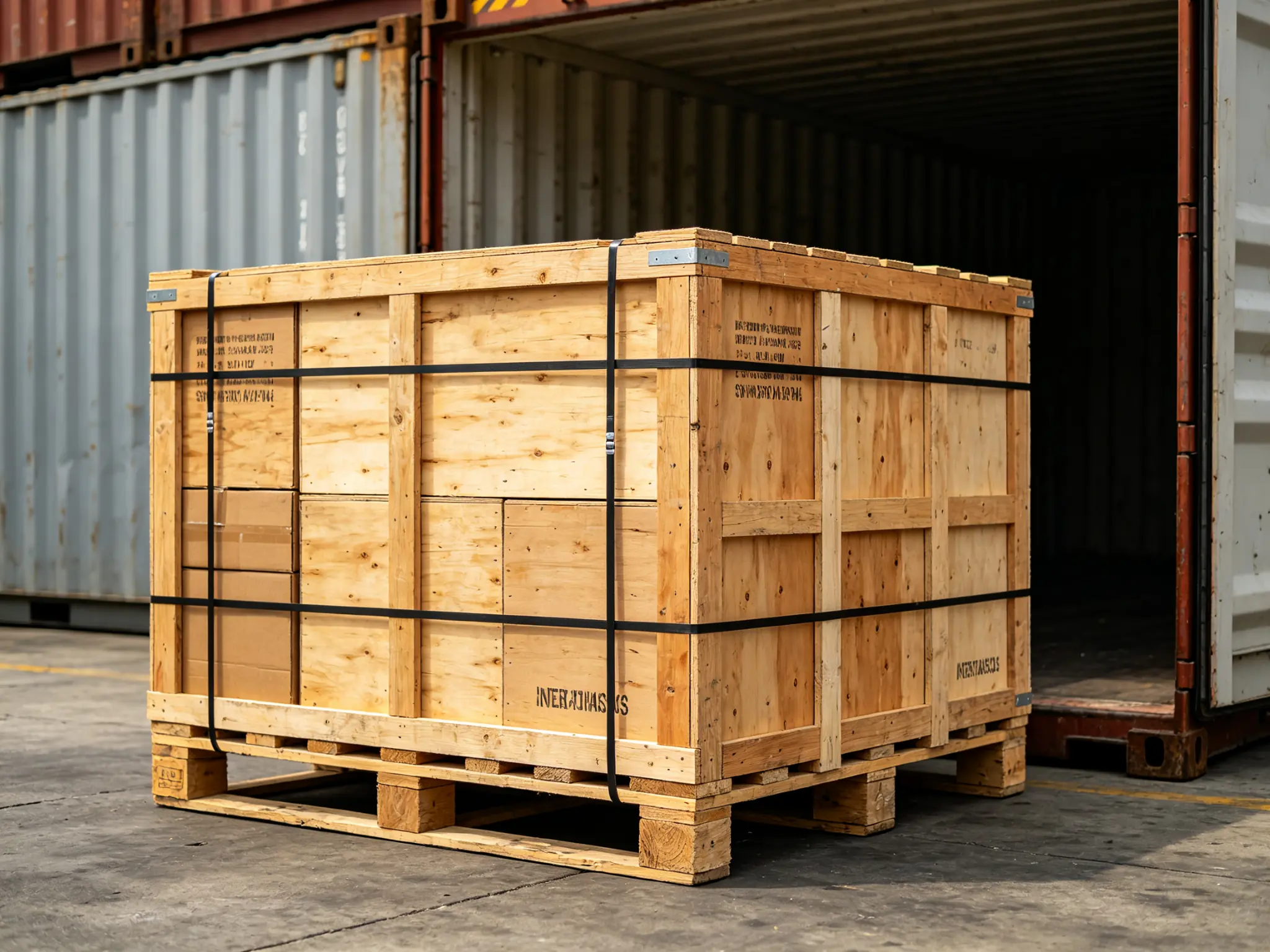
We coordinate the workflow with the relevant freight and service partners according to the agreed transaction terms.
Our sourcing model is built on real purchasing and shipment activity across multiple product references, categories and supply sources. That operating history supports the way we organize complex parts lists today. Historical order data also shows that multi-source purchasing is a recurring part of the workflow.
18,000+
Auto Parts Order Lines Shipped
Historical line-level records from confirmed shipped auto parts activity, accumulated over multiple years.
8,000+
Distinct Part & OE References
Independent part numbers and OE references represented across historical sourcing and shipment records.
300+
Supply & Service Partners
Automotive factories, category suppliers, product specialists, packaging partners and supporting supply-chain resources coordinated within the same sourcing relationship.
These figures are not a claim about scale for its own sake. Together they show repeated parts sourcing, wide reference coverage, supplier diversity and real order execution — the conditions that make a multi-category list manageable.
Parts from different vehicle systems can be included in the same sourcing request — browse the categories below, or send the list as it is.
Behind the sourcing process sits a searchable catalog with OE and part-number information, interchange references and fitment context. CRM keeps buyer requirements, quotations and communication history connected. OMS keeps order progress, packaging, shipment and after-sales records in one place. AI-assisted tools help organize larger RFQs and their part references. These systems organize the work. Commercial confirmation, supplier decisions, sourcing judgement and problem solving stay with people, not the software.
NodeMotive works as an auto parts supplier and sourcing partner for importers, distributors, wholesalers, professional parts retailers and resellers, repair businesses and workshop groups, and fleet-related purchasing teams. The strongest fit is a buyer handling multiple part numbers, categories or recurring procurement — the workload is the qualifier, not the label. We have sourcing and shipment experience with buyers in the Middle East, North America and Southeast Asia; our deepest vehicle experience is on Korean applications, especially Hyundai and Kia, with Japanese applications represented in our sourcing activity.
Yes. Complete parts lists are one of the core ways buyers work with NodeMotive. Send the list as it is; we organize the lines by category and sourcing need and come back to you where information is missing.
Where the order structure allows, yes. Lines sourced through different suppliers can be collected, packed and coordinated into one consolidated shipment.
OE numbers and part numbers are our main inputs. We match them against catalog data, interchange references and vehicle context, and ask for photos or samples when a number alone is not enough.
Yes. A line can be sourced at OEM, OE-equivalent aftermarket, standard replacement or cost-effective level, and the proposed level is stated on the quotation.
Packaging follows the product and shipment requirements, and custom cartons or labels are available when agreed. Consolidated outbound shipments can be coordinated through Shanghai with established freight-forwarding resources.
Yes. Starting with one part number, a short list or a sample is a practical way to evaluate matching, communication and packaging before expanding the order.
Start with one OE number, a short list or a full multi-category purchasing list.