
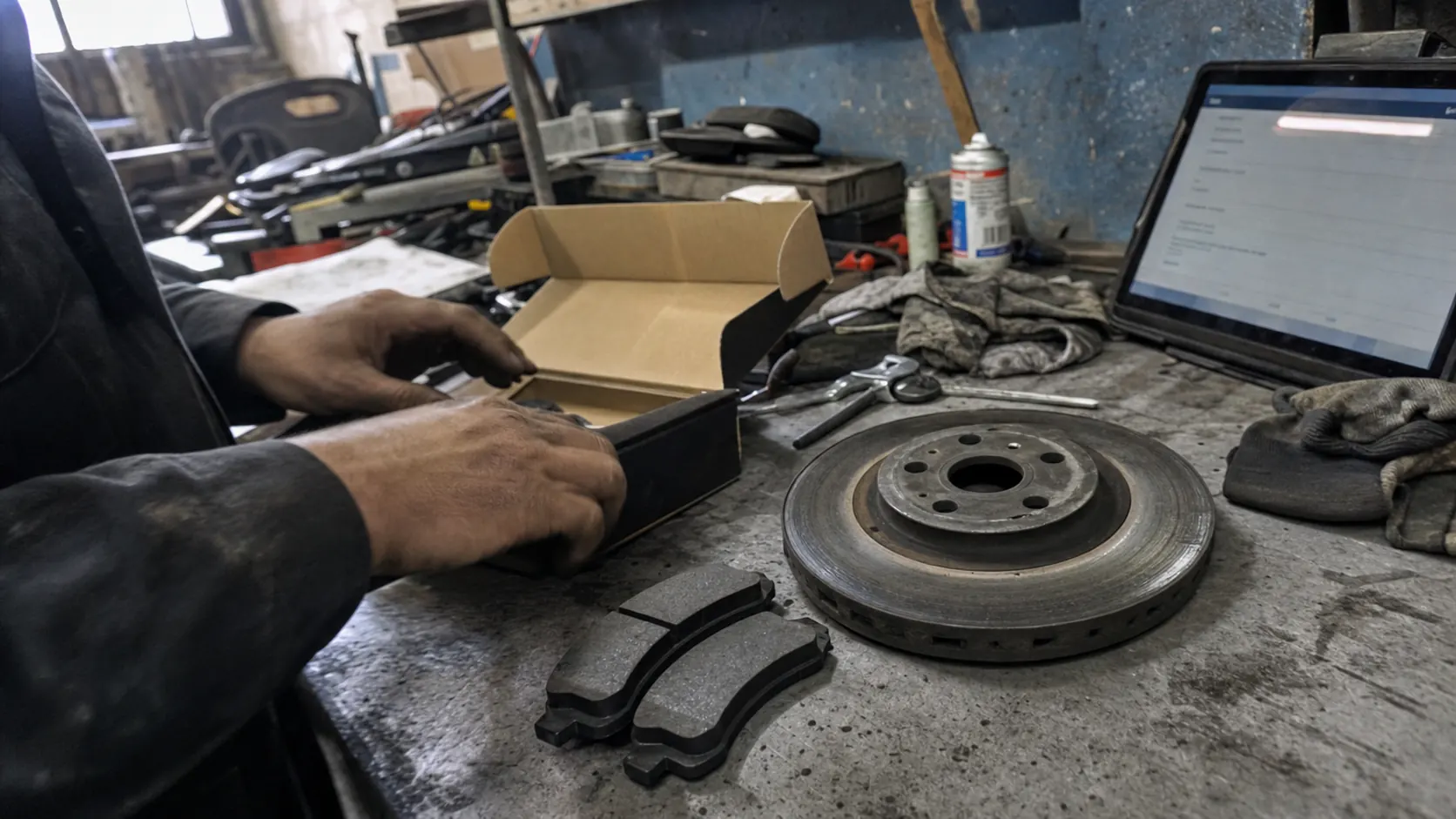
Comline has launched EVLine with 69 brake pad references for electric-vehicle applications and says more numbers are in development. The range is ECE R90 approved and is positioned around low-noise operation, stable friction performance and the different brake-use pattern created by regenerative braking.
That is a useful catalog signal. It is not enough to quote a pad. An EV label does not identify the axle, brake package or exact vehicle variant, and the same model family can carry more than one friction setup.
R90-approved EV brake pads still need a fitment check
Comline describes EVLine as a dedicated electric-vehicle range, but the basic sourcing rule does not change: confirm the supplier reference against the supplier's current application record. The company's wider brake pad range is independently certified under ECE R90, which tests replacement brake linings against the original part within defined performance limits.
R90 approval is relevant when screening a product line. It should not be read as universal fitment or proof that every reference suits every version of a named vehicle. Certification answers a performance-compliance question. The catalog answers the application question. Keep them separate.
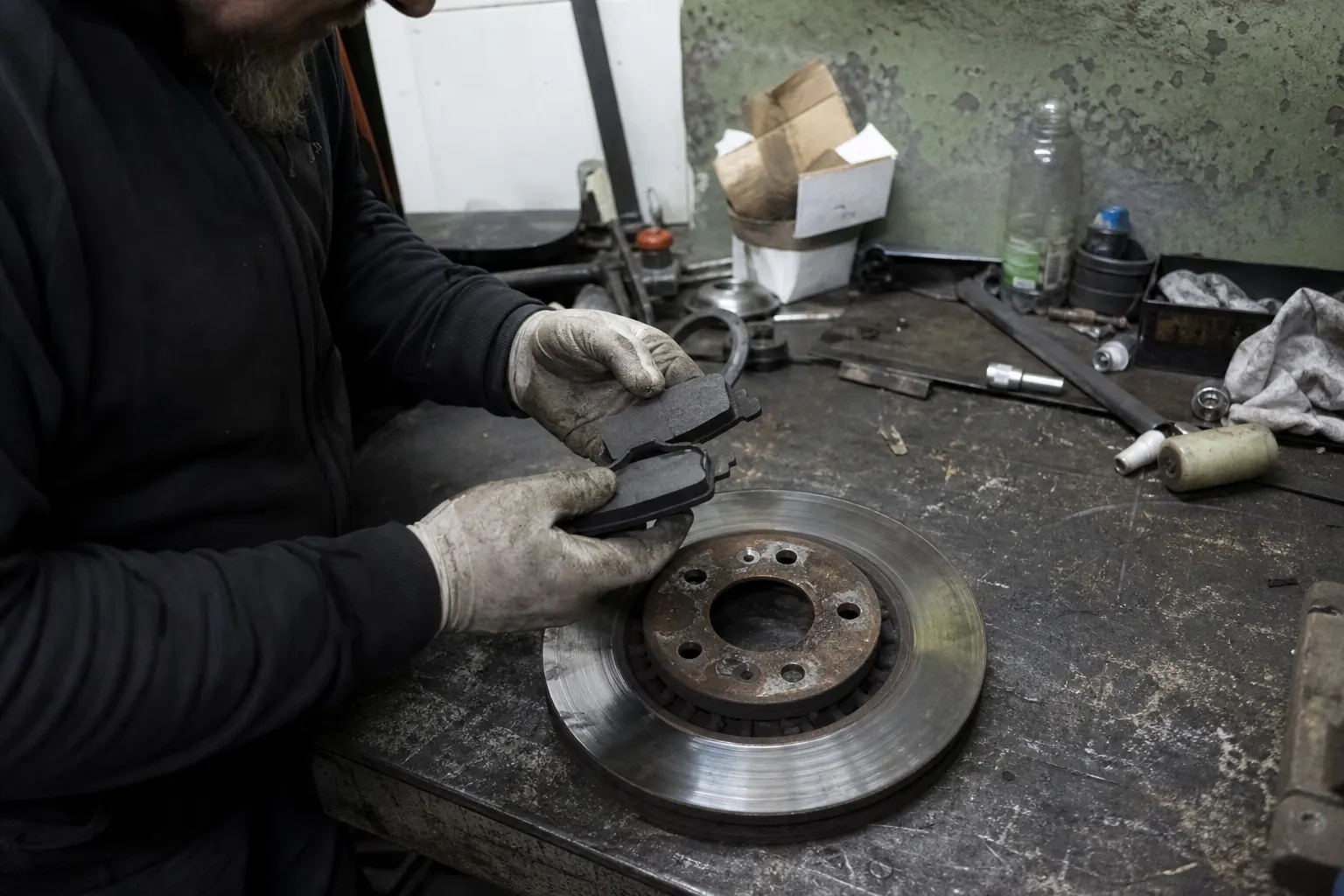
Regenerative braking changes the wear pattern
Electric vehicles recover energy through the drivetrain during much of their normal deceleration, so the friction brakes may operate less often than they do on a comparable combustion vehicle. They remain essential during emergency braking, low-grip conditions and situations where regenerative braking is limited.
Lower use does not remove replacement demand. It changes what buyers and workshops should watch. Long periods of light friction-brake use can leave pads and discs exposed to moisture, surface corrosion and debris. Noise and inconsistent contact can become part of the service complaint even when the vehicle has not accumulated the pad wear expected from a conventional duty cycle.
This is why a request for electric-van replacement brake pads should include the operating context. A high-mileage delivery van, a passenger EV used for short urban trips and a vehicle that spends long periods parked may reach the workshop with different symptoms. The catalog reference still comes first, but the complaint helps the supplier understand what is being investigated.
The 69-reference launch is coverage, not a blanket application list
Published application examples for EVLine include the Fiat Ducato for 2020–2023, Ford Tourneo Custom from 2024, Ford Transit Custom from 2024, Maxus eDeliver from 2020 and Mazda MX-30 from 2020. These are supplier-published examples, not permission to ignore propulsion, model derivative or brake-system differences.
Short forms are risky here. “Transit Custom EV pads” is not a complete RFQ. Ask for the full vehicle description and the strongest part identifier available. If the requester has the old pad marking or an established supplier reference, capture it before sending the inquiry.
- Vehicle make, model, model year and propulsion type
- Front or rear axle position
- VIN or registration data when the supplier catalog supports that lookup
- Old pad marking, supplier reference or clear part photographs
- Brake system, caliper or option details shown by the catalog
- Required quantity and whether fitting hardware is expected
What the friction specification tells a buyer
Comline says EVLine uses a post-cure scorching process intended to stabilize friction characteristics at higher temperatures and support consistent performance across the pad's service life. The company also links the formulation to reduced brake noise. Those are product-line claims that can help a buyer compare documented specifications.
They do not replace the normal evidence behind a quotation. Ask for the current catalog record, the applicable R90 approval information and the commercial pack details tied to the exact reference. Do not assume that a feature described for the range appears identically on every pad set.
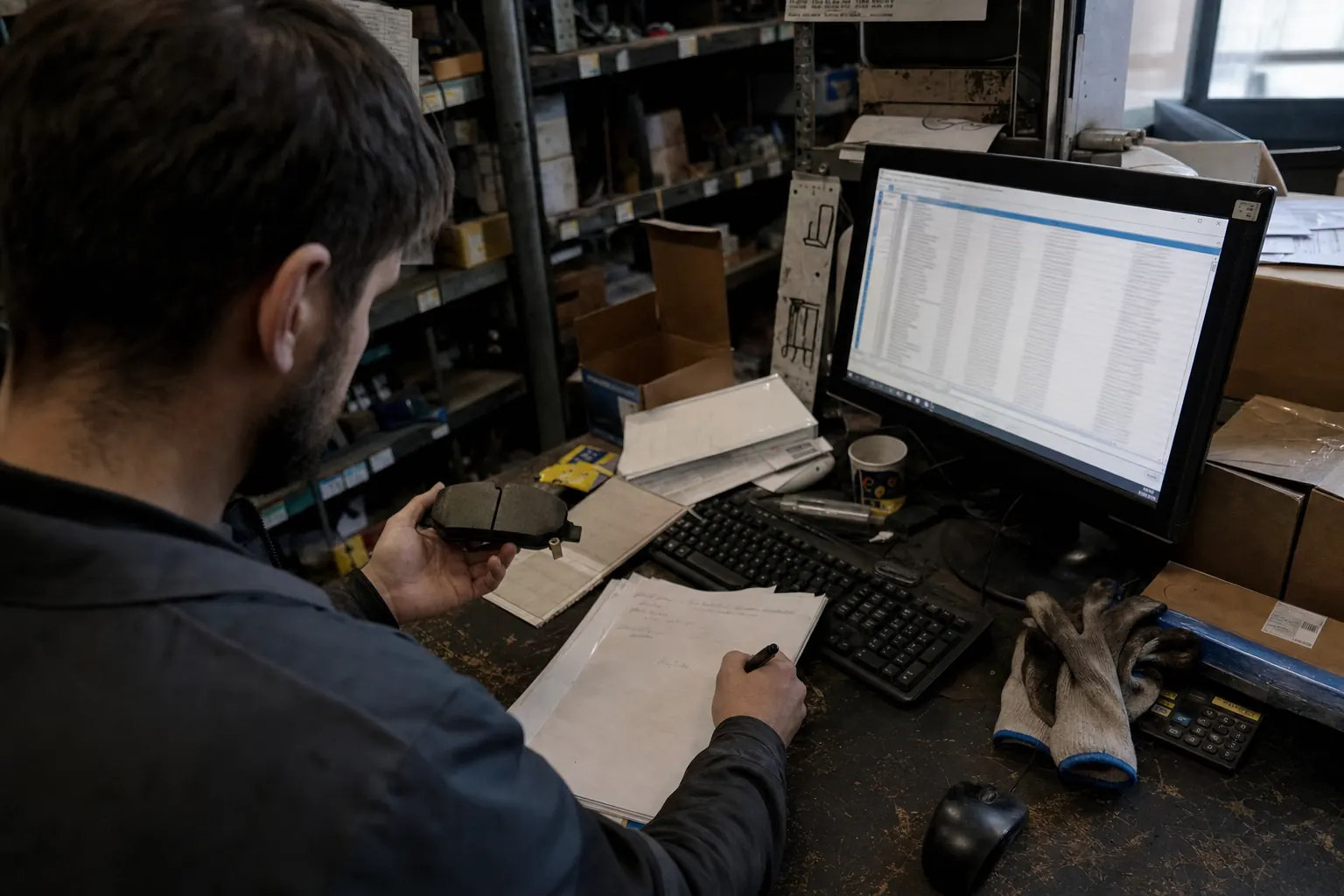
Electric light-commercial applications deserve extra care
The presence of Ford Transit Custom, Ford Tourneo Custom and Maxus eDeliver examples makes the range relevant to the electric light-commercial vehicle channel. These vehicles can combine frequent stops, fleet mileage and payload variation with regenerative braking. That makes a model name especially weak as a quotation key.
For a fleet or wholesale request, keep application confirmation and demand planning in the same RFQ but as separate fields. First identify the exact pad. Then state the order quantity, replenishment pattern and packaging requirement. A supplier can only give a useful commercial answer after the fitment record is clear.
Sourcing notes
Use the 69-reference launch to identify a range worth checking, not to build an unsourced fitment table. Confirm every application in the current Comline catalog or another authorized supplier record before quoting. If the vehicle details and old part do not agree, stop and resolve the mismatch.
NodeMotive takeaway
For R90-approved EV brake pads, send the vehicle, axle position, propulsion type and old part marking together. Ask the supplier to return the exact catalog reference and approval record it is quoting.