
Market Watch
Integrate Data Facts reported that Brazil's light vehicles in operation reached 51,512,551 units at the end of 2025. The number is large. The age profile is the real parts signal.
Average vehicle age rose to 13.6 years. More than 23 million vehicles sit in the 11-to-20-year range. For aftermarket buyers, that is the working zone.
What Happened
IDF released its 2025 year-end light vehicles in operation study for Brazil on June 3, 2026. The reported fleet reached 51,512,551 light vehicles.
IDF reports an average light vehicle age of 13.6 years, up from 12.8 years in 2024. It also identifies more than 23 million vehicles in the 11-to-20-year age range. That group represents 45% of total VIO.
The report also points to state concentration. Sao Paulo leads with more than 15.4 million light vehicles. Minas Gerais sits near 6 million. Parana is listed at 4.0 million. Rio Grande do Sul, Rio de Janeiro, Santa Catarina, and Bahia remain important VIO regions.
Why It Matters for Parts Buyers
Brazil demand should not be treated as one national bucket. A buyer asking for service parts in Sao Paulo may have different volume assumptions than a buyer serving a smaller regional market. Freight, stocking depth, and fast-moving categories can change by state.
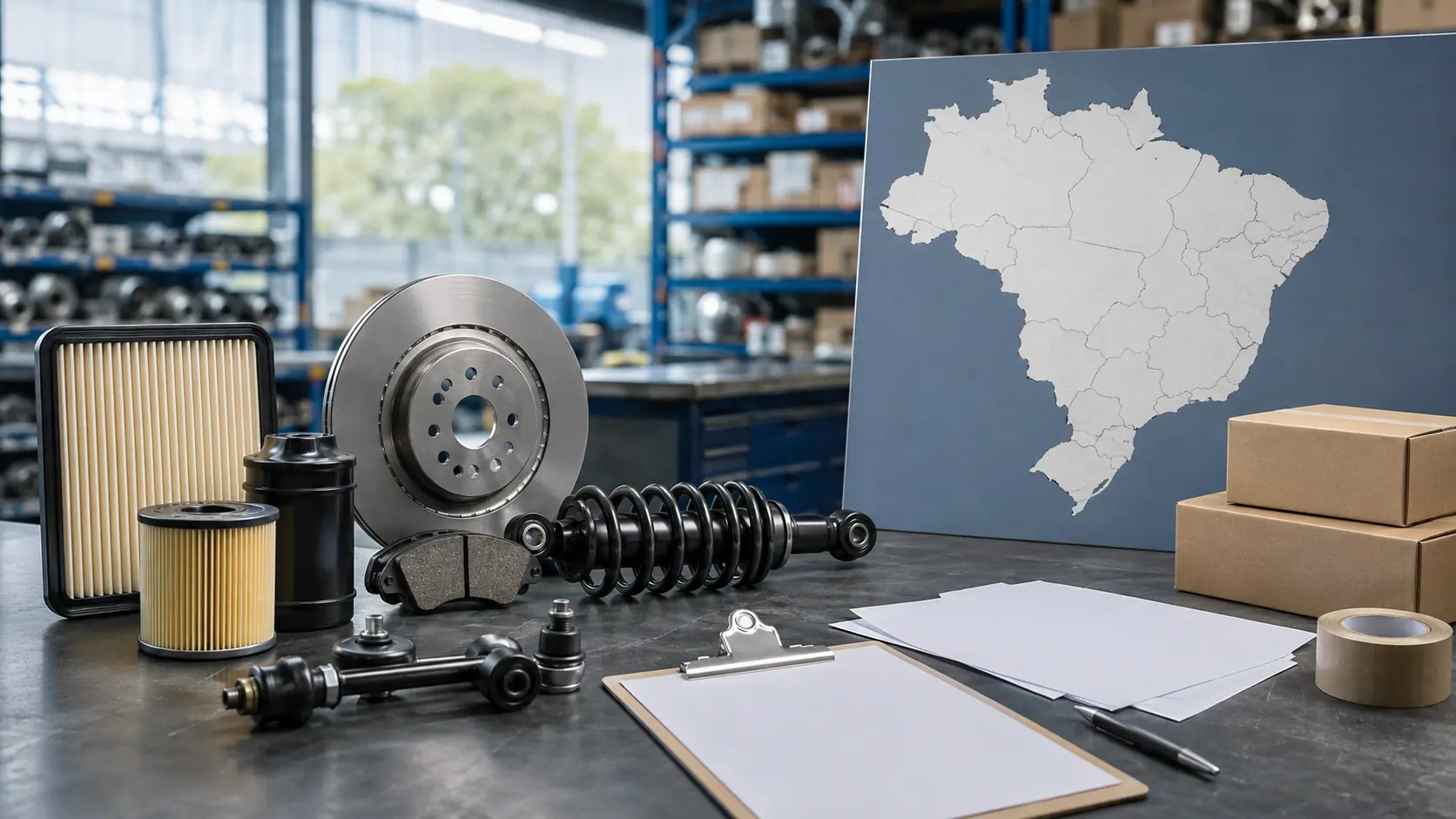
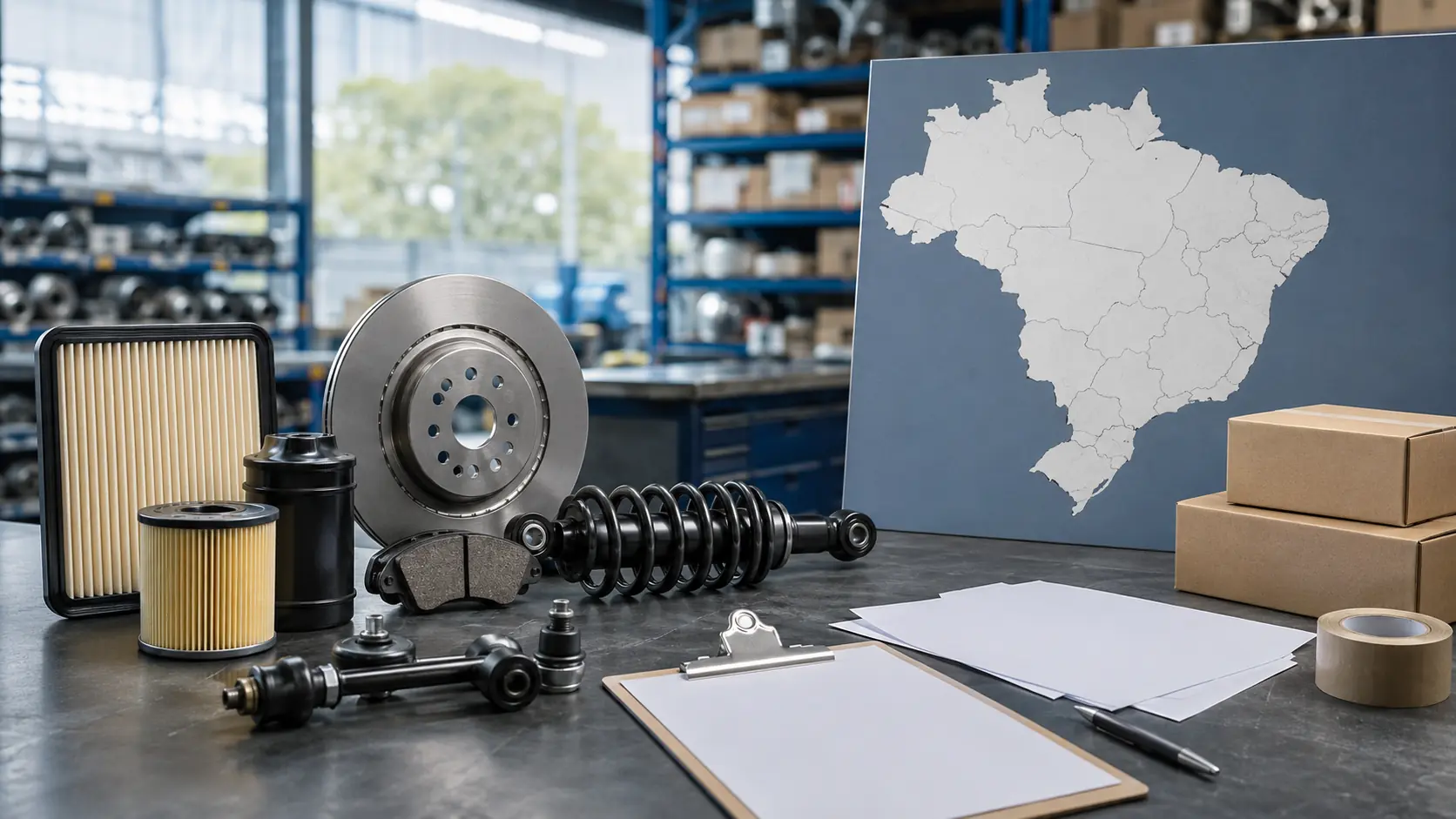
Fleet age also changes category priority. A 13.6-year average parc is not just a macro statistic. It points to maintenance categories: filters, brake wear parts, steering and suspension, cooling, ignition, sensors, belts, hoses, and electrical repair items.
But do not jump straight to OE matching. This report helps decide where demand may sit. It does not tell you which part fits which vehicle.
The brand mix is useful too. IDF says Fiat, Volkswagen, and Chevrolet together still control nearly 60% of total VIO. Chinese makes are growing but represent 1.1% of total VIO. Pure electric and hybrid vehicles account for 1.34% of the total fleet, while alternative fuels reached 8.5% penetration for the 2025 model year.
Category Signals
This topic supports planning around:
Routine service parts Filters Brake wear parts Steering and suspension Cooling parts Ignition and electrical Maintenance sensors
RFQ Notes
For Brazil-focused RFQs, capture the fields that make the request usable:
- Destination state or metro area
- Vehicle make and model
- Model year or production range
- Engine and fuel type
- Old part marking
- Requested brand level
- Quantity and replenishment rhythm
- Delivery term and import route
Vehicles aged 0-5 years, 6-10 years, and 11-20 years do not buy the same way. The 11-to-20-year group is especially useful for replacement categories, but it still needs application data before quoting.
NodeMotive Takeaway
Brazil is a serious aftermarket planning market because the parc is large, aging, and still led by legacy high-volume brands.
Build the content around regional demand and repair categories first. Ask for YMM, engine, and old part marking before turning any Brazil traffic into a quote.