
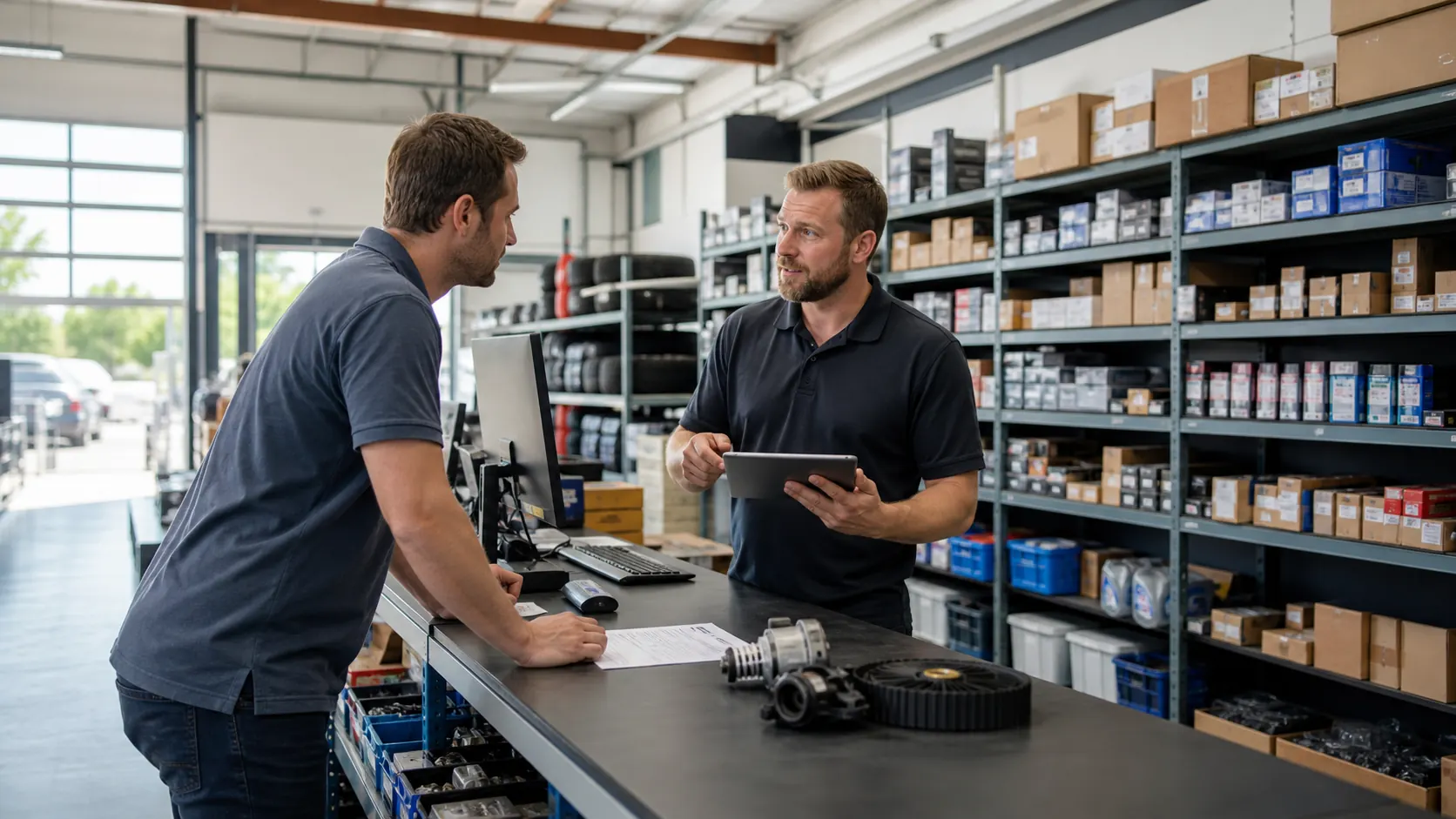
Jayar Car Parts has opened a new branch in Warminster, Wiltshire, serving trade and retail customers. The company describes the site as a local motor factor operation with parts availability, a broad range and delivery support for nearby workshops.
For a buyer, a new local branch is useful market information. It is not a product confirmation. A branch can shorten the conversation, but the quotation still depends on the exact reference and the conditions behind the request.

Local auto parts distribution starts with the right request
Local stock language is easy to overread. It may describe a branch's role in a market, not a promise that a particular part is on the shelf, compatible with a vehicle or ready for a given delivery route. Keep those questions separate.
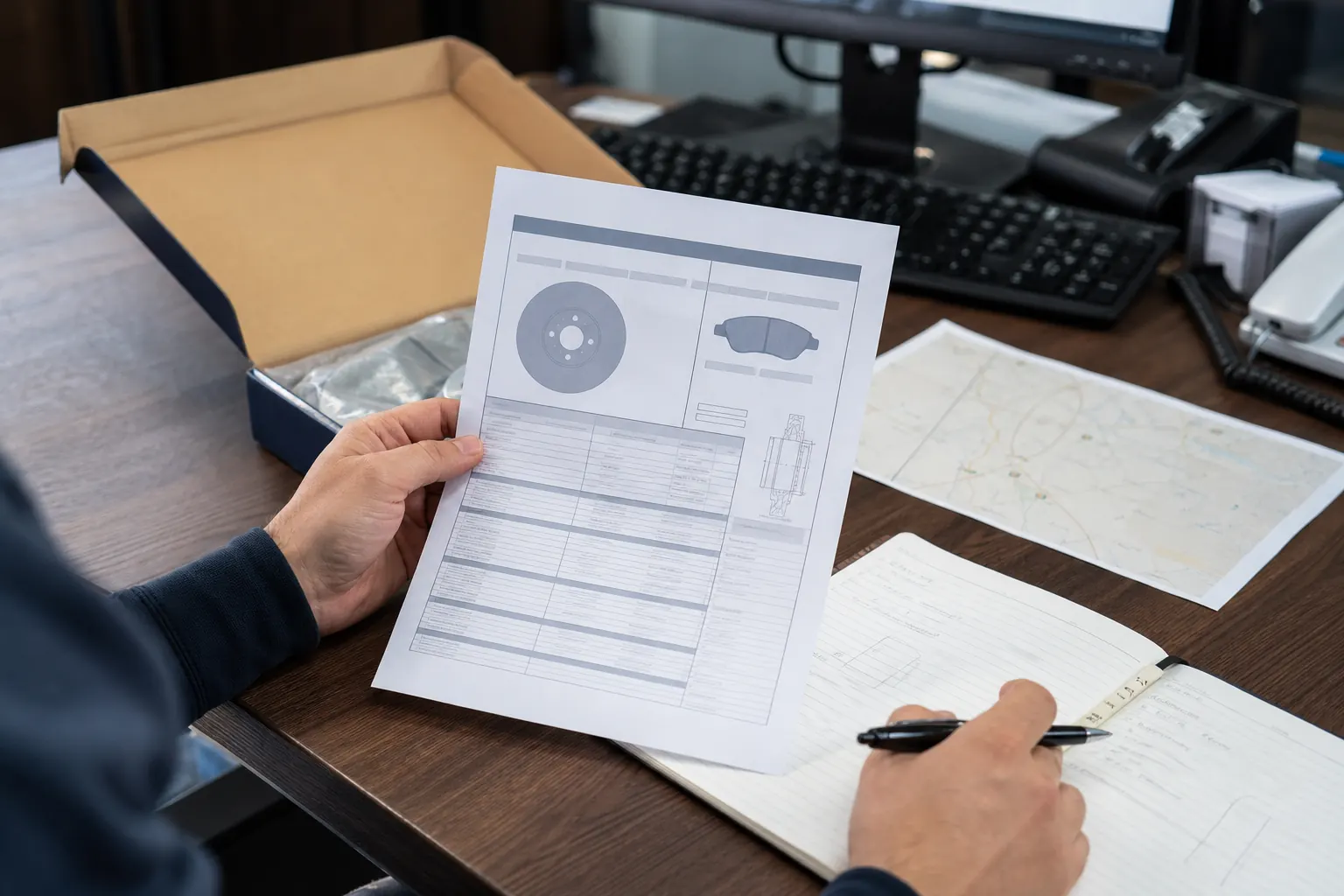
Before asking a new distributor branch to quote, send the strongest identifier available. That can be an OE reference, an established supplier number or a clear old-part marking. Add vehicle information only to the extent the supplier needs it to check its own catalog record.
- Exact manufacturer, OE or supplier reference when available
- Vehicle details and any application limits supplied by the requester
- Old-part marking or photos when the reference is uncertain
- Collection or delivery location
- Requested quantity and whether the order is urgent or planned
Availability, delivery and fitment are different checks
These three items are often blended into one message. They should not be. Availability concerns whether the distributor can supply the identified part. Delivery concerns where and when the supplier can fulfill an order. Fitment concerns whether the catalog record supports the vehicle application.
A nearby counter or warehouse can help with the first two. It does not replace catalog confirmation for the third. This is where RFQs go wrong: a familiar vehicle name is treated as a complete identifier, and a local branch is treated as proof of application.
What the Warminster opening signals
Jayar says the Warminster site is intended to support both trade and retail customers, with a local team and delivery capability. That is a channel expansion signal, especially for nearby workshops. It does not disclose the inventory of a particular product, service territory for a particular order or an availability commitment for any buyer.
Use announcements like this to add a distributor to a sourcing map. Then make the first RFQ practical. Ask which reference the branch can check, what vehicle information is needed and whether the requested fulfillment method is within its service scope.
Sourcing notes
Do not turn a new-branch announcement into a product listing. Keep the supplier's branch information, product identity and delivery request in the same inquiry, but let the supplier confirm each item separately.
NodeMotive takeaway
Local access is useful. A clean RFQ is still better. Send the part reference, the vehicle details and the fulfillment location together, then ask the distributor to confirm the record it is quoting.