
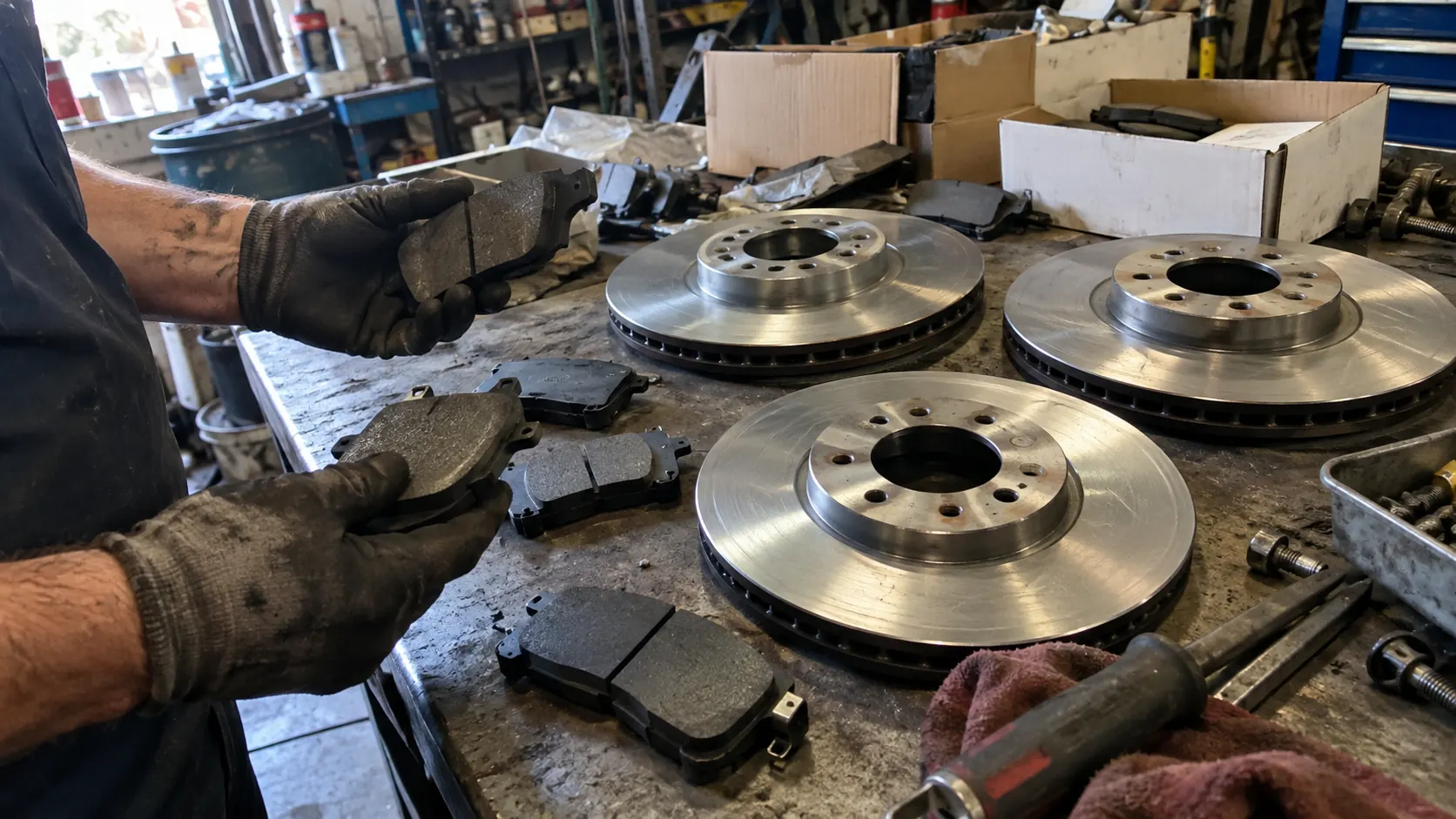
ADVICS announced 56 new aftermarket brake pad kit SKUs and three brake rotor SKUs. For buyers checking ADVICS brake pad coverage for Asian and US-brand vehicles, the update adds catalog entries—but its coverage figures should not be read as a count of new vehicle models.
What the coverage update includes
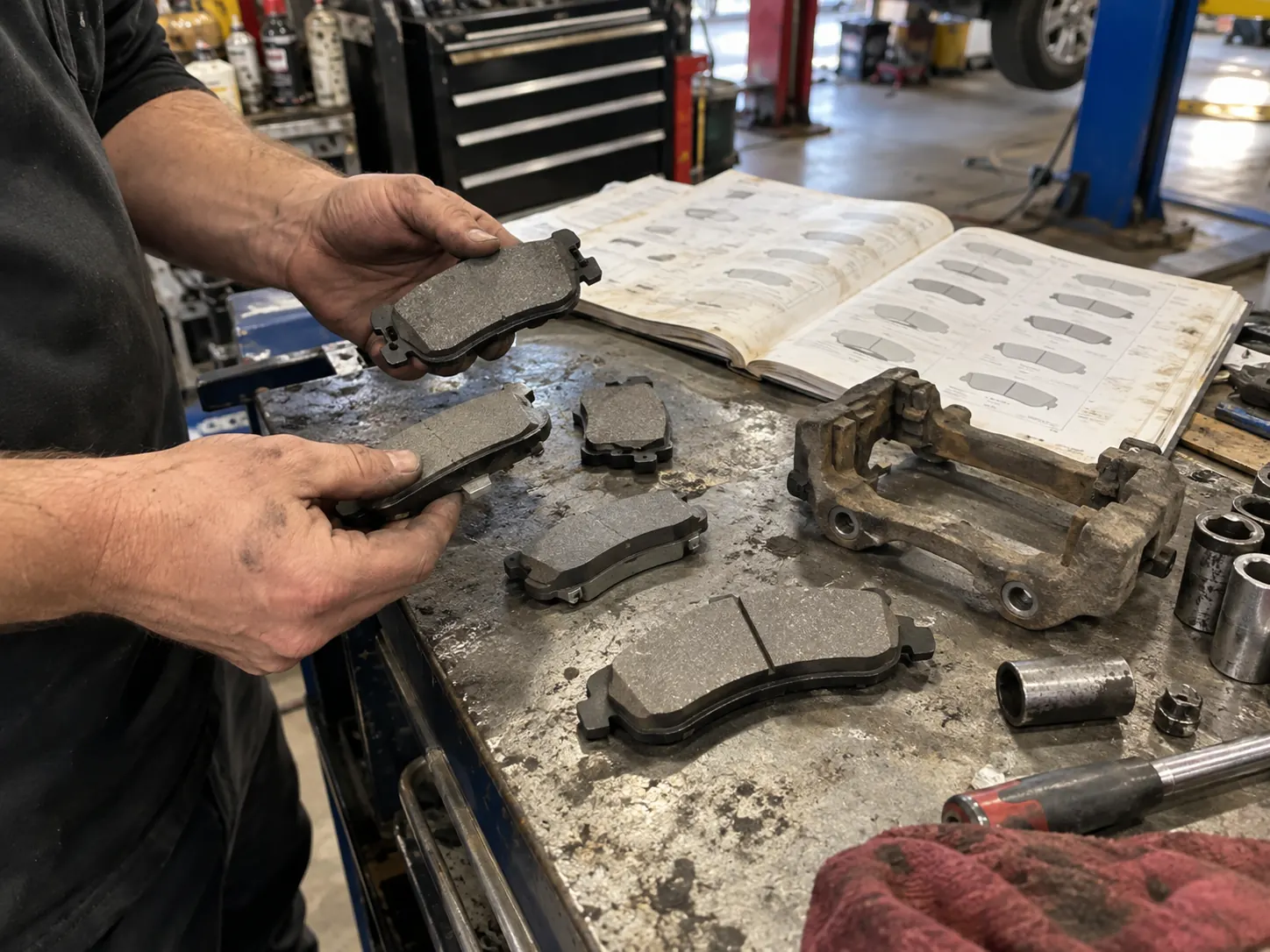
The new pad kits cover selected applications across Acura, Honda, Infiniti, Mazda, Mitsubishi, Nissan, Genesis, Hyundai and Kia, along with Buick, Cadillac, Chevrolet, Chrysler, Dodge, Ford, GMC, Jeep, Lincoln and Ram. ADVICS reports approximately 62.8 million vehicle-in-operation axles across the United States and Canada for the pad additions.
The three new rotors are made in the United States and are listed for Toyota and Lexus applications. ADVICS reports approximately 858,000 VIO axles for that rotor coverage. These are coverage measures using the announcement's axle-based VIO method. They are not SKU counts, unique vehicles, or a model-by-model fitment list.
Why the distinction matters
A large VIO figure can help a distributor judge catalog reach, but it cannot answer whether a specific vehicle's brake package matches a part. Model name alone is not enough. Brake configuration, production year, axle position and catalog qualifiers can split applications that look similar in a broad vehicle list.
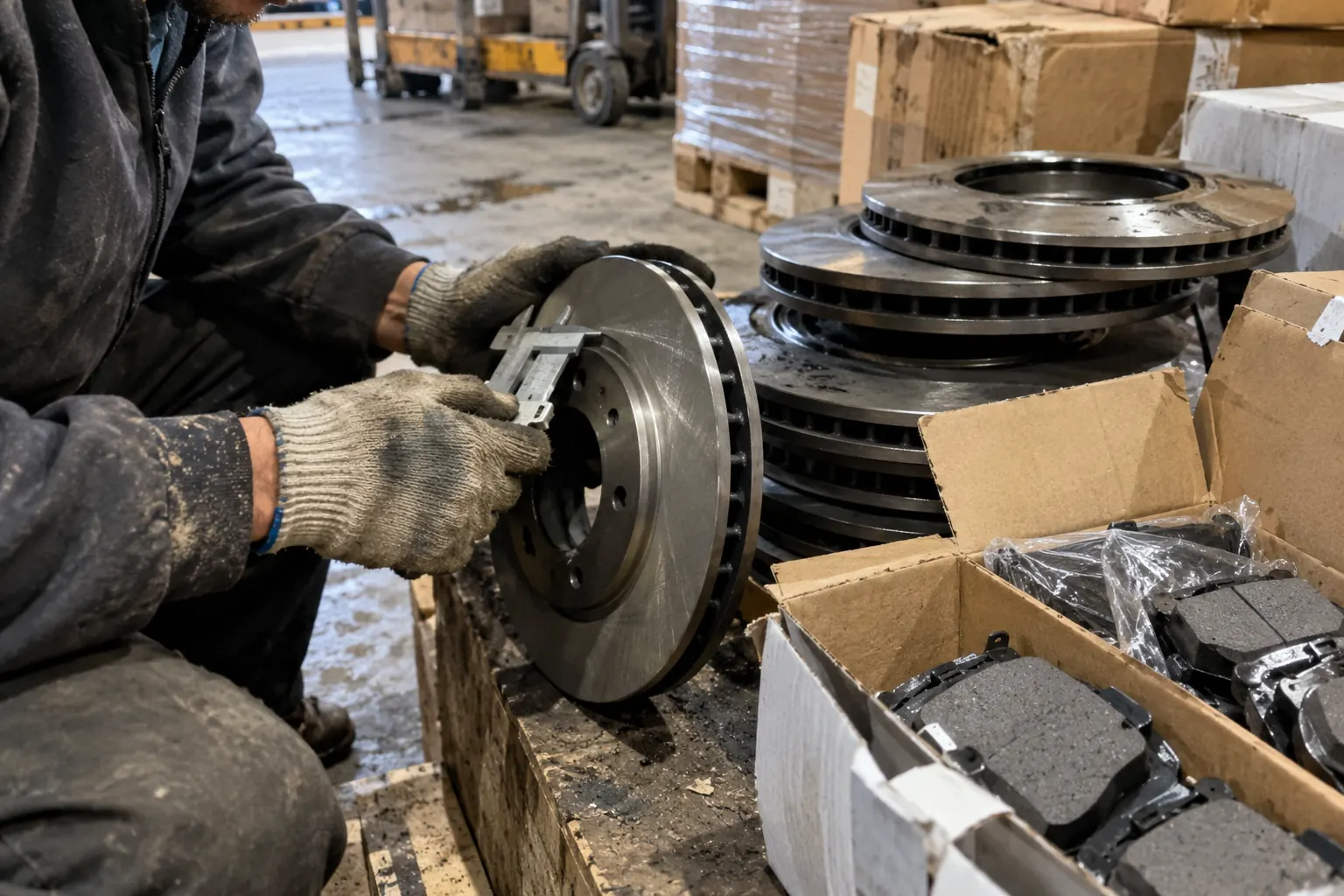
The announcement establishes that new SKUs were added; it does not replace an application lookup for a quote. Confirm each part number in the current ADVICS catalog and compare it with the vehicle record and the removed part where available.
RFQ notes
- Exact ADVICS pad kit or rotor SKU requested
- Vehicle year, make, model, trim or brake package as required by the catalog
- Front or rear axle and any left/right or configuration qualifier shown in the catalog
- Old part marking or catalog reference for cross-checking
- Supplier confirmation of quoted quantity and ship timing
NodeMotive takeaway
Use the update to flag possible catalog gaps in brake-pad and Toyota/Lexus rotor sourcing. Then validate applications one by one; VIO coverage is useful context, not fitment proof.