
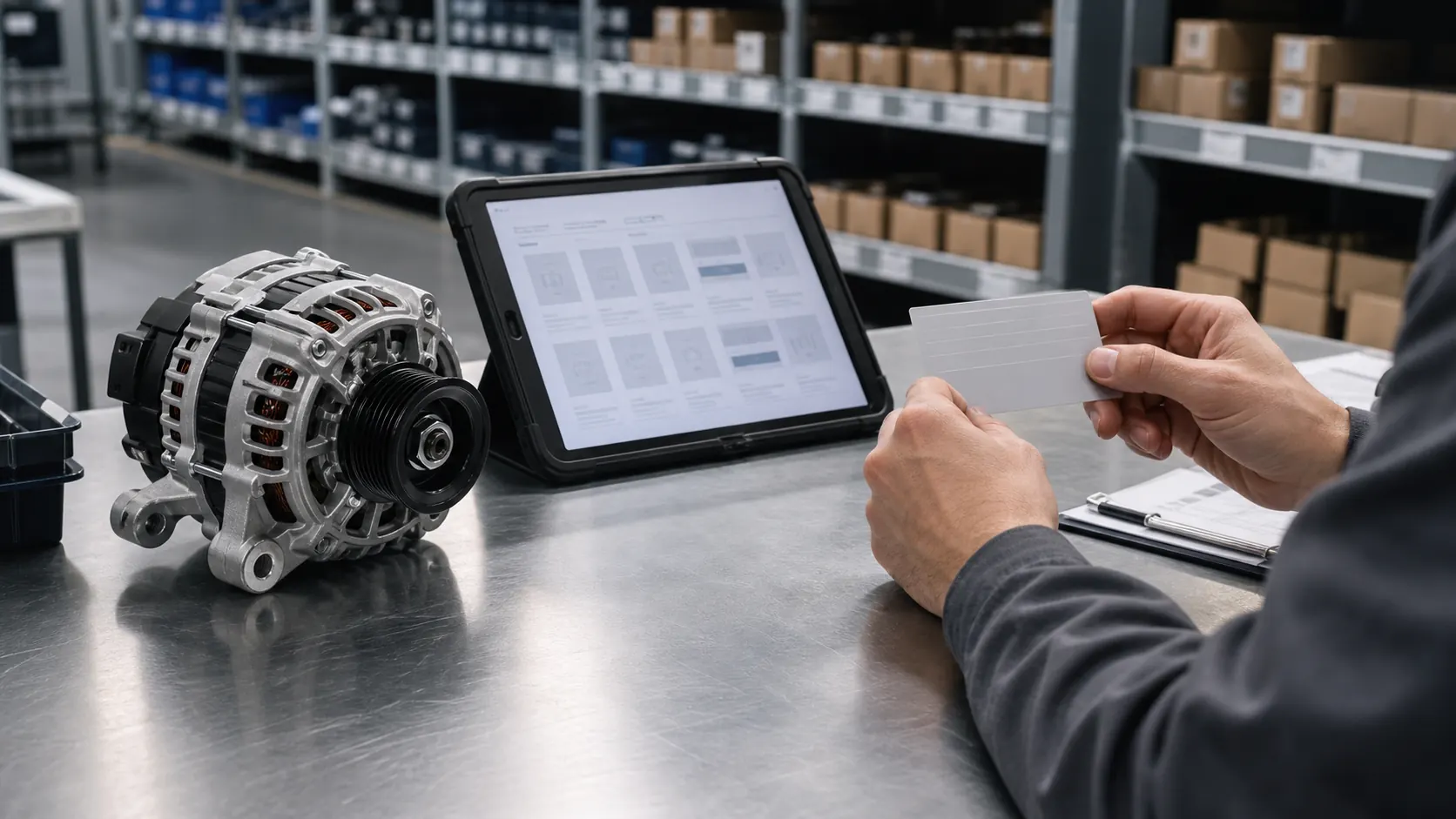
WAI Global has updated its aftermarket parts search and order-management tools. The change is not just a new interface. It brings search, order handling and account records closer together for the people who source parts every day.
According to WAI and Tire Review, the platform supports searches using WAI part numbers, OE or competitive interchange references, vehicle application details and product specification filters. It also adds order history, quick-order tools, saved favorites, returns processing and account functions for North American customers.
Why aftermarket parts search and order management matter
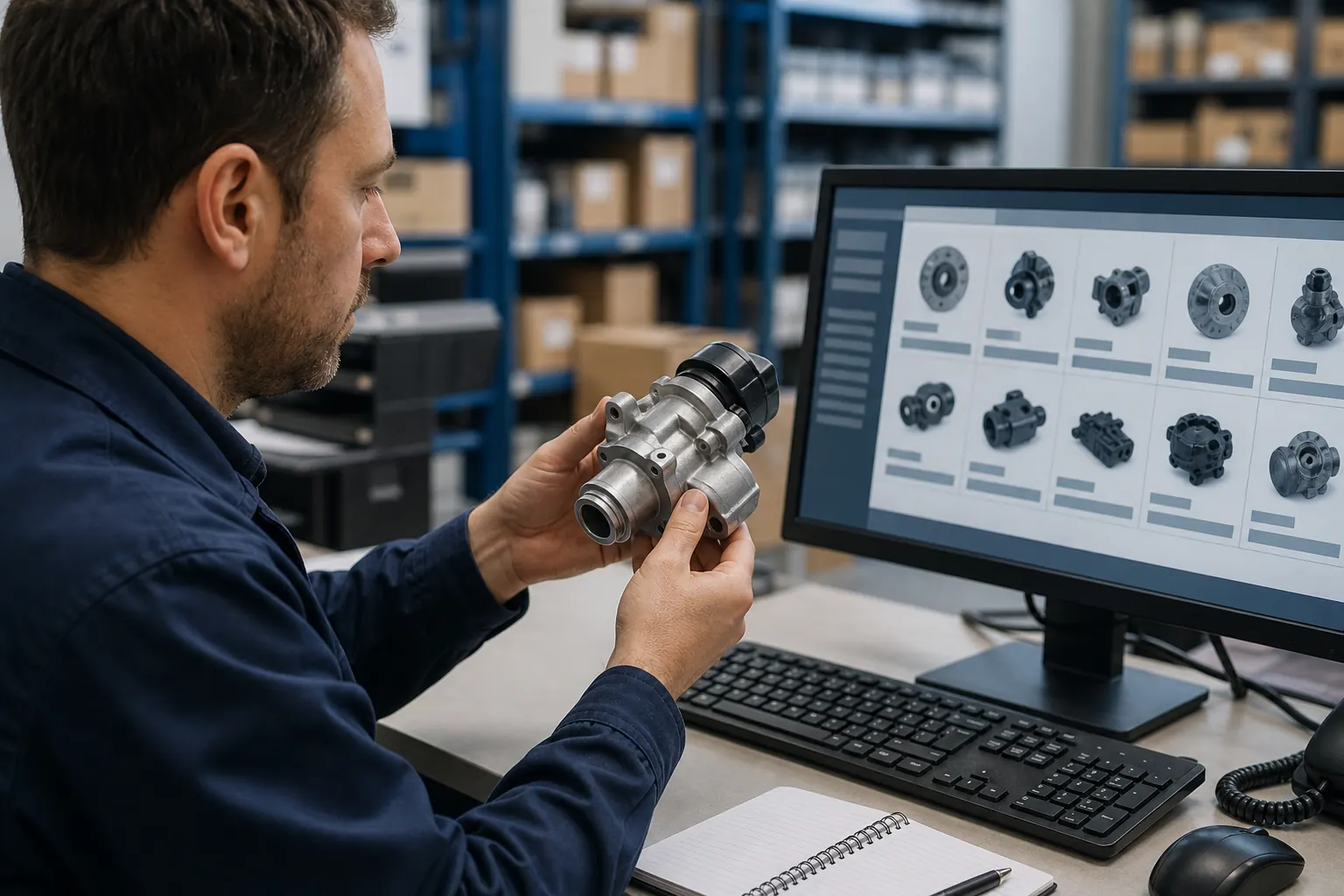
Most wrong-part requests do not start with a bad catalog. They start with a thin request. A buyer may have a vehicle name, a rough description and a photo, but no exact reference. The purchasing team then has to reconstruct the job from incomplete details.
An aftermarket parts search that accepts a part number, OE reference, competitive interchange reference, vehicle information and specifications gives the buyer more than one way to begin. That helps when an old box is missing, a supplier number is unfamiliar or a workshop only has the removed component at hand. But the inputs still need to be kept separate. An OE number, an aftermarket part number and an interchange reference are not the same thing.
Build an automotive parts RFQ before it reaches the supplier
For a replacement-parts request, capture the strongest identifier first. If the old part is available, ask for its marking and clear photos. Then add the vehicle information and any position, connector or specification details the supplier requires. Do not send a broad model name and expect a reliable quotation.
- Exact manufacturer or supplier part number, if known
- OE or interchange reference, labelled by source
- Vehicle details supplied by the requester
- Position, connector, mounting or specification notes when relevant
- Photo of the old part marking when no reliable number is available
Short forms are risky here. A saved favorite or a previous order can speed up repeat purchasing, but it should not replace a check when the vehicle or component revision has changed.
What catalog operators can take from it
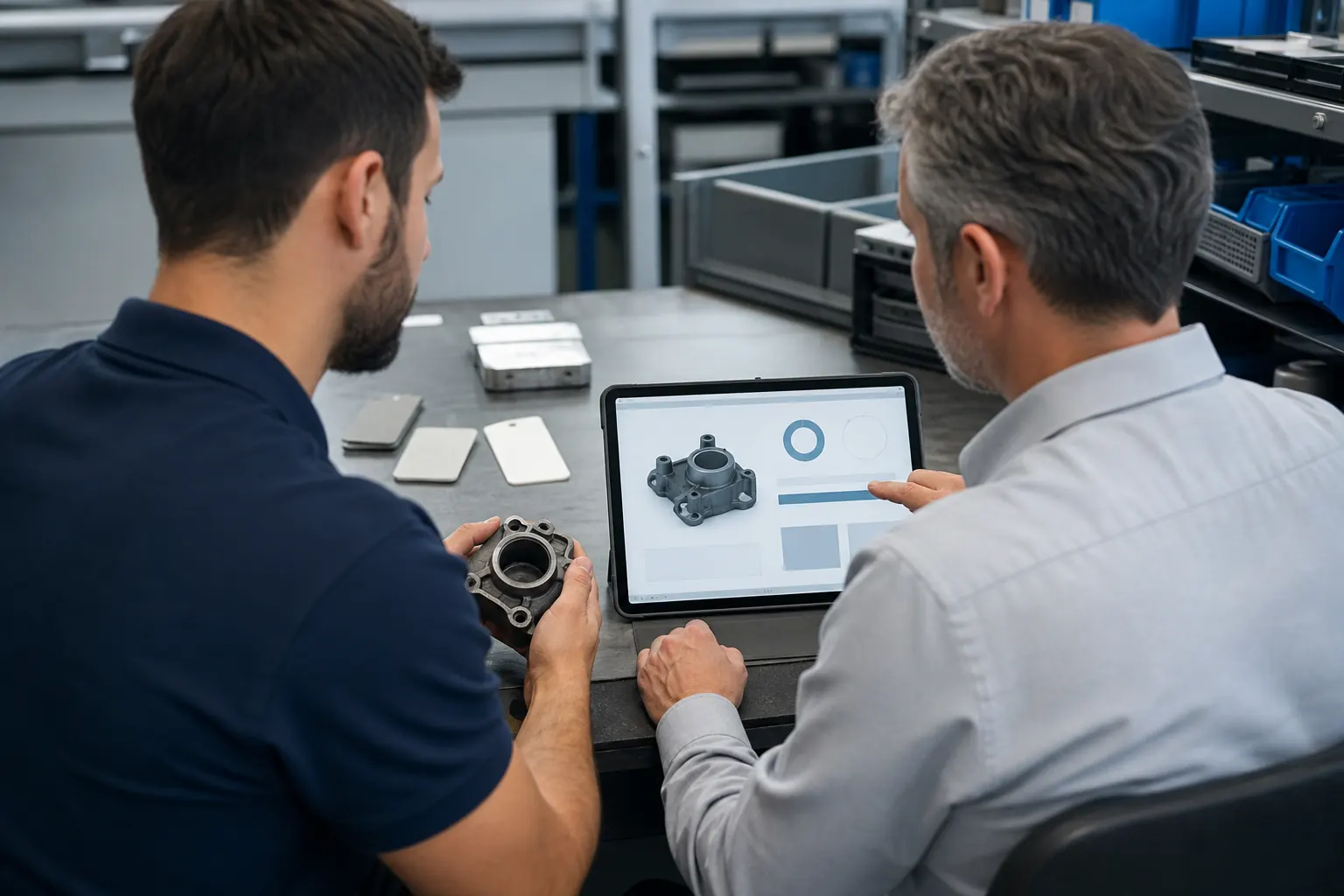
The WAI update is a good reminder that search and transaction data belong in the same working flow. Product discovery should help a buyer prepare a clean request; order history and returns should help the buyer identify what was previously ordered and where a discrepancy may have started.
For a B2B catalog, that means keeping product identity, vehicle information and the buyer’s notes visible without turning them into unsupported fitment claims. A catalog can show that a reference was searched or previously ordered. It still needs supplier or catalog confirmation before a quotation becomes a fitment conclusion.
Sourcing notes
Use part numbers, OE references and interchange references as separate search inputs. Confirm the supplier catalog record and the vehicle-specific conditions before quoting or ordering.
NodeMotive takeaway
Make the RFQ do some work before it reaches a supplier. Capture the reference, vehicle details and old-part marking together. That is how a search becomes a usable parts request.